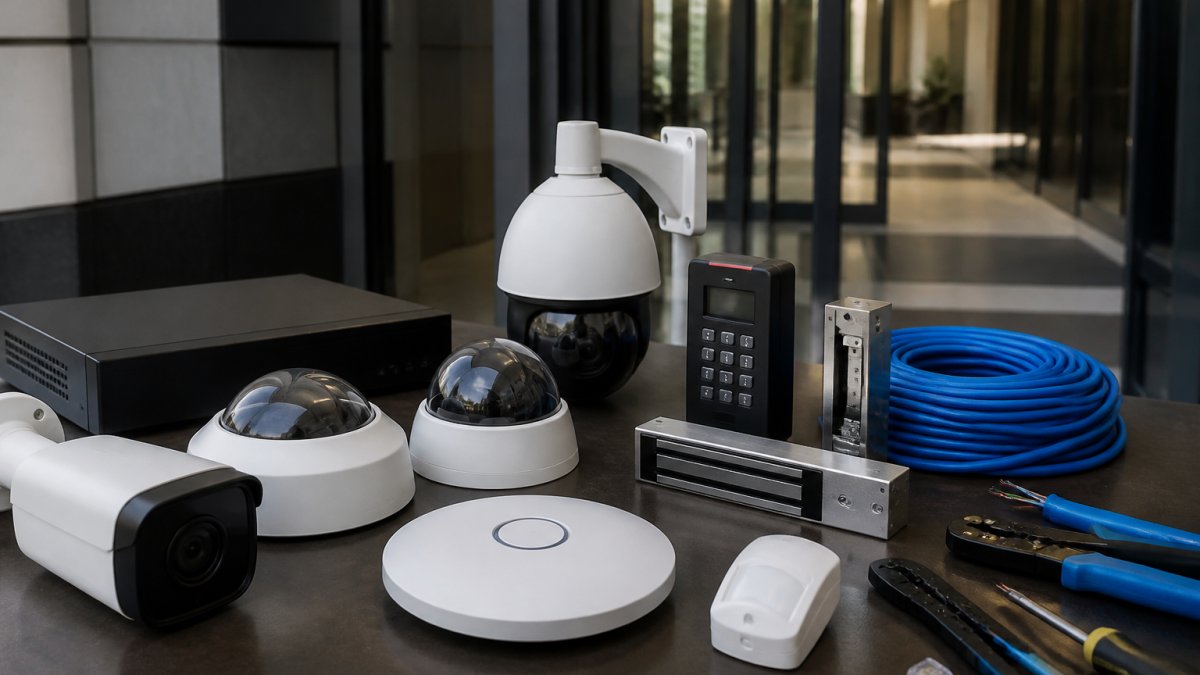
Best Commercial Security System Installation Services
Choosing the best commercial security system installation services starts with matching the provider to your building, not just the price tag. At Dalcorp Solutions Inc, we have spent 25+ years installing low-voltage security and network infrastructure across the Chicagoland area, and we have watched too many businesses buy hardware first and design second. That order is backwards.
Table of Contents
- Best Commercial Security System Installation Services: Quick Comparison
- How We Evaluated These Installation Providers
- 1. Dalcorp Solutions Inc: Full Low-Voltage Integration for Chicagoland
- 2. ADT: National Monitoring With Established Support
- 3. SimpliSafe: Flexible, Contract-Free Security for Small Business
- 4. Vivint: Smart Automation With Certified Professional Installation
- 5. Brinks Home: Consultative Design and Expert Installation
- 6. Ring: Cloud-Managed Video Security for Small Offices
- Frequently Asked Questions
Last Updated: October 4, 2026
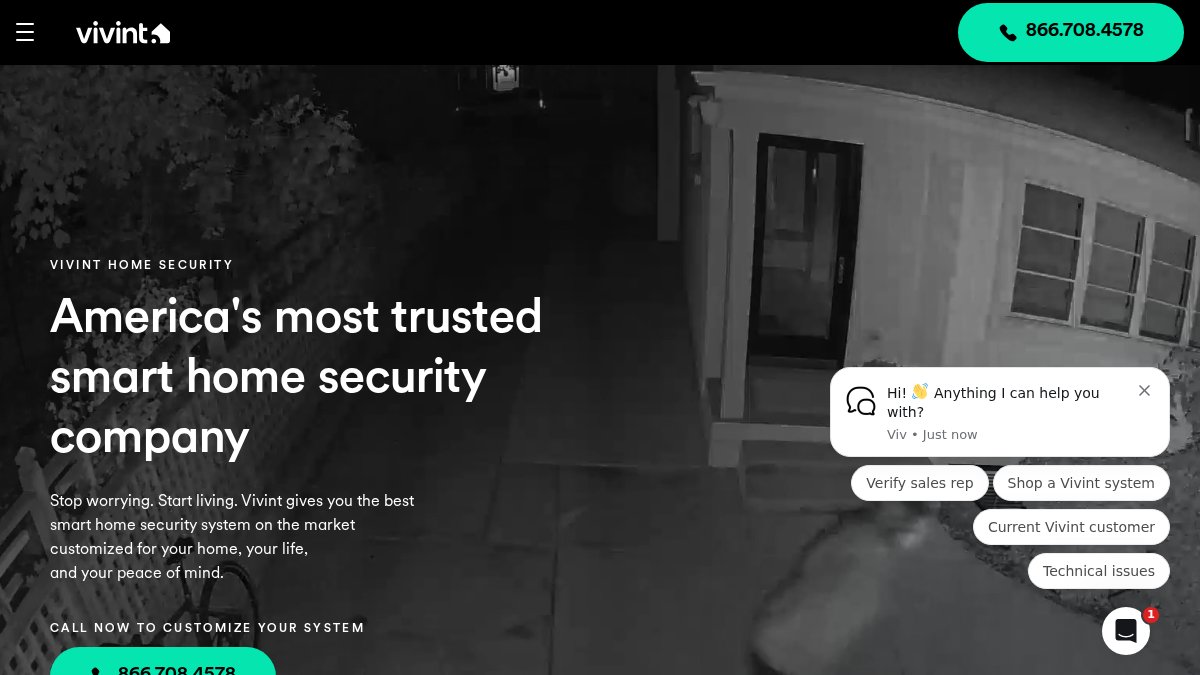
Best Commercial Security System Installation Services: Quick Comparison
A commercial security system is the combined set of cameras, access control, alarms, and monitoring that protects a building and the people inside it. The installation service behind that system determines whether it works on day one and year five.
| Provider | Best For | Contract Style | Standout Strength |
|---|---|---|---|
| Dalcorp Solutions Inc | Full low-voltage integration | Project-based | Code-aware design, 25+ years |
| ADT | National monitoring | Long-term monitoring | Established 24/7 support |
| SimpliSafe | Small offices | No long-term contract | Easy to scale |
| Vivint | Smart automation | Subscription | Certified pro installation |
| Brinks Home | Consultative design | Subscription | Personalized system design |
| Ring | Cloud video | Subscription | Cost-effective hardware |
How We Evaluated These Installation Providers
Installation quality matters more than hardware specs because a great camera on a bad network fails when you need it most.
A common mistake is comparing quotes on equipment alone. The real differences show up in site surveys, cabling, and who answers when something breaks at 2 AM.
1. Dalcorp Solutions Inc: Full Low-Voltage Integration for Chicagoland
Dalcorp Solutions Inc handles the whole stack: Wi-Fi, access control, video surveillance, and LED video walls under one licensed, insured team. That matters when your cameras, door readers, and network all need to talk to each other.
We start with a site survey, then design around your building's actual wiring and code requirements. Factory-certified installations mean the equipment is commissioned to spec, not just mounted and left.
Pros and Cons
Pros:
- 25+ years in Chicagoland with 2,000+ projects completed
- Licensed, insured, and factory-certified
- Code-aware planning and design
- Complete low-voltage integration approach
Cons:
- Project-based pricing requires a quote, so costs vary by scope
- Service area is focused on the Chicagoland region
For facility managers tired of juggling three vendors for cameras, access, and Wi-Fi, one accountable team removes the finger-pointing.
2. ADT: National Monitoring With Established Support
ADT is the recognizable name in commercial security, and its strength is 24/7 professional monitoring backed by decades of national experience. Businesses that want a single monitoring contract across multiple sites often land here.
The tradeoff is commitment. ADT typically requires long-term monitoring contracts, which reduces flexibility if your needs change. Installation promotions appear frequently, but read the contract length before signing.
3. SimpliSafe: Flexible, Contract-Free Security for Small Business
SimpliSafe suits small businesses that want wireless equipment and no long-term agreement. Setup is simpler because the hardware is modular, and cellular backup keeps the system online if your internet drops.
Where it falls short is enterprise depth. Advanced integrations and complex access control are limited, so growing operations often outgrow it.
4. Vivint: Smart Automation With Certified Professional Installation
Vivint leans into smart building automation, pairing AI-driven cameras with centralized app control. Certified technicians handle installation, which keeps quality consistent.
The catch is price. Vivint sits at a higher price point than DIY-leaning competitors, so it fits businesses that value automation over budget hardware.
5. Brinks Home: Consultative Design and Expert Installation
Brinks Home earns praise for its consultative sales process. A representative designs the system around your property before installation, which reduces the guesswork that plagues cookie-cutter setups.
Equipment costs run higher upfront, and the company lists equipment starting around $599. If personalized design matters more than the lowest entry price, it is worth a look.
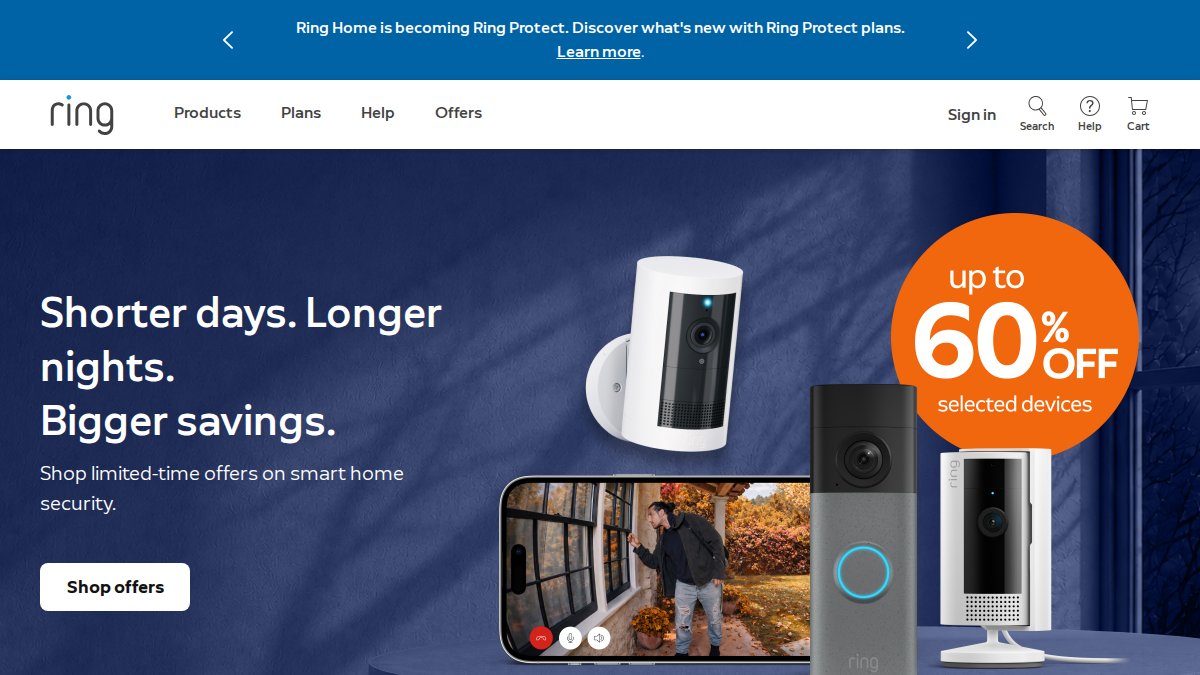
6. Ring: Cloud-Managed Video Security for Small Offices
Ring offers accessible, cloud-based video security that integrates with existing Wi-Fi. Motion alerts and remote viewing through the mobile app make it a practical entry point for small offices and retail shops.
The dependency on stable internet is the weak point. If your network is unreliable, cloud video becomes unreliable too.
Commercial security installation is a design problem before it is a hardware problem. Dalcorp Solutions Inc brings licensed, insured, factory-certified installation, complete low-voltage integration, and 25+ years of Chicagoland experience to every project. Get started with Dalcorp Solutions Inc and build a security system that still works when you need it most.
Frequently Asked Questions
What should I look for when hiring a commercial security system installer?
Check licensing and insurance first, since your insurer may require proof before anyone touches your system. Look for factory-certified technicians, experience with your building type, and a provider that handles low-voltage integration rather than just alarms. Ask about ongoing support, response times, and whether the installer designs for code compliance. Dalcorp Solutions Inc, for example, brings 25+ years of Chicagoland experience, licensed and insured crews, and factory-certified installations. Get a site survey before signing anything so the quote reflects your actual wiring, Wi-Fi coverage, and access points.
How much does professional commercial security system installation cost?
Commercial security system installation cost depends on building size, camera count, access control doors, cabling runs, and whether you need network upgrades. Request a site survey and itemized quote so you can compare labor, hardware, and monitoring separately. Pricing varies by project scope, so contact providers directly for current rates.
What are the benefits of cloud based access control for businesses?
Cloud-based access control lets you manage doors, credentials, and permissions from any browser or mobile app, so you are not tied to an on-site server. You can revoke a lost badge instantly, add new employees without a technician visit, and pull audit logs for compliance. Cloud systems also scale across multiple properties without separate infrastructure at each site. For multi-tenant buildings, this means one dashboard for every door. The main trade-off is reliance on stable internet, so pair it with cellular backup if uptime is critical.
Do commercial security systems require ongoing maintenance?
Yes. Cameras need lens cleaning and firmware updates, access control readers wear out, and backup batteries fail over time. Most providers offer maintenance plans that include periodic inspections, software updates, and priority repair. Skipping maintenance shortens equipment life and can leave gaps in coverage you only notice after an incident. Ask your installer what the service agreement covers, how fast they respond to outages, and whether monitoring is bundled or separate. A clear support plan matters as much as the initial installation.
What is the difference between residential and commercial security installation?
Commercial installations typically involve more doors, larger camera counts, access control integration, and network infrastructure that residential systems do not need. Commercial work also falls under stricter building and fire codes, so cabling, egress, and alarm signaling must meet local requirements. Many residential providers lack the licensing or low-voltage expertise for this scope. For a retail space or office building, choose a provider experienced in integrated security system design, such as Dalcorp Solutions Inc, which handles Wi-Fi, access control, video surveillance, and LED video walls as one coordinated system.
- Hits: 3