Are Building Security Systems Worth It for Chicago Businesses?
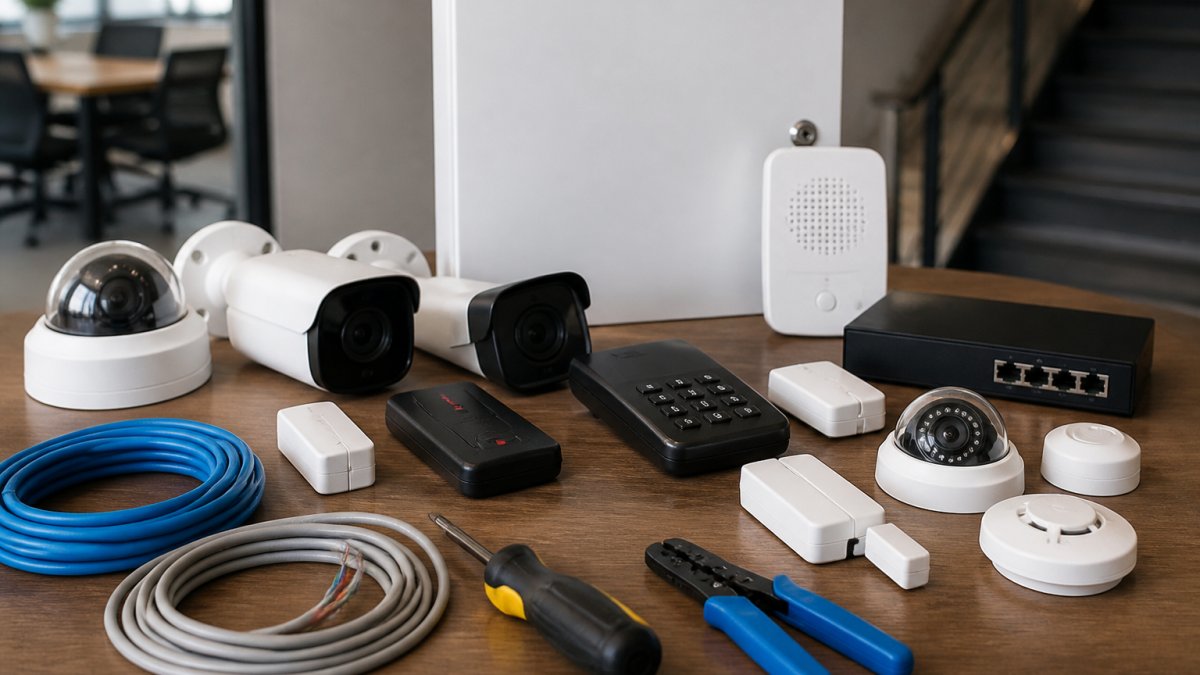
The best building security systems for Chicago businesses combine access control, video surveillance, and intrusion detection on one managed network, since buying them as separate pieces usually costs more over time. A properly integrated system reduces liability, protects tenants, and replaces patchwork hardware that fails at the worst moment.
Last Updated: October 26, 2026
Quick Summary
- The most common mistake is buying cameras and access control from different vendors with no shared network plan.
- Dalcorp Solutions Inc brings more than 25 years in the Chicagoland market and 2,000+ completed projects.
- Forbel Alarms reports more than 750 clients served and covers fire alarms, intercoms, cameras, and access control.
- Cloud-based access control puts credential management and audit logs on a hosted platform instead of a local server.
- Retention length, frame rate, and camera count together determine recorder capacity, and undersized storage silently overwrites footage.
Table of Contents
- Quick Comparison: Top Building Security System Options for 2026
- How We Evaluated These Security Providers
- Dalcorp Solutions Inc: Integrated Low-Voltage and Network Security
- Umbrella Security Systems: Commercial Design and Ongoing Support
- Forbel Alarms: Multi-System Integration With Life-Safety Coverage
- Commercial Access Control Systems: What Chicago Facilities Need
- Cloud-Based Access Control: Is It Worth It for Your Building?
- Commercial Video Surveillance Systems: Coverage That Holds Up
- Frequently Asked Questions
Quick Comparison: Top Building Security System Options for 2026
Are building security systems worth it for Chicago businesses? For most commercial properties, yes: a properly integrated system reduces liability, protects tenants, and replaces patchwork hardware that fails at the worst moment. This guide explains what to look for in building security systems.
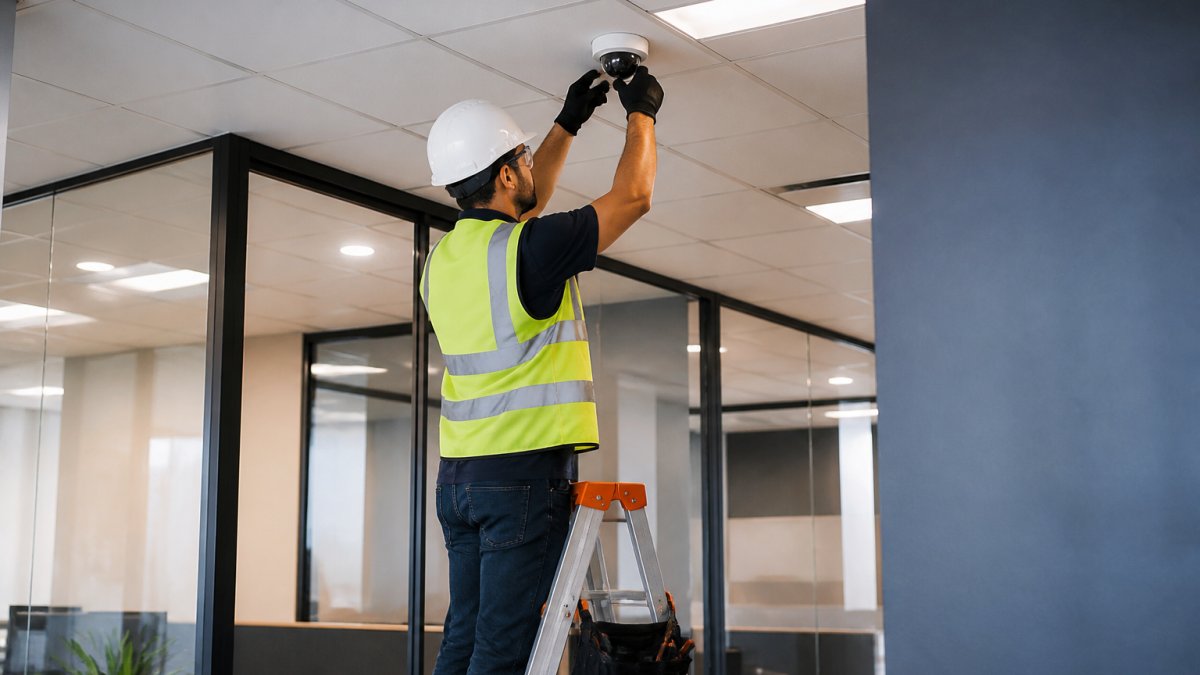
The best building security systems for Chicago businesses combine access control, video surveillance, and intrusion detection on one managed network. Buying them as separate pieces usually costs more over time. The comparison below covers some providers, followed by a deeper look at access control, cloud options, and camera coverage.
| Provider | Core Strength | Best For | Pricing |
|---|---|---|---|
| Dalcorp Solutions Inc | Integrated low-voltage, security, and network design | Facilities wanting one accountable partner | Custom quote |
| Umbrella Security Systems | Commercial design, installation, and support | Businesses needing ongoing service | Custom quote |
| Forbel Alarms | Security plus fire alarm and intercom integration | Multi-system life-safety coverage | Custom quote |
Once you have a shortlist, tell us about your site and goals to get a proposal scoped to your building.
How We Evaluated These Security Providers
We ranked providers on integration depth, licensing and insurance, service after installation, and how well they handle older buildings. Chicago's commercial stock includes plenty of vintage structures with limited pathways, so a provider that plans around existing wiring saves real money.
A commercial security system is the combined hardware and software that controls who enters a building, records what happens inside it, and alerts staff when something is wrong. Integration quality separates a system you maintain easily from one you fight every month.
Watch out: the most common mistake is buying cameras and access control from different vendors with no shared network plan. You end up with two logins, two support numbers, and no clear owner when something breaks.
Dalcorp Solutions Inc: Integrated Low-Voltage and Network Security
The team designs access control, video surveillance, Wi-Fi, and structured cabling as one low-voltage plan rather than a stack of separate purchases. That matters in older buildings where every new device competes for the same pathways.
With more than 25 years in the Chicagoland market and 2,000+ completed projects, the firm brings licensed, insured, factory-certified crews and code-aware planning from the first site survey. Support continues after handover, which answers the question we hear most: who do you call when something fails at 2 AM?
Pros and Cons
Pros:
- Single partner for security, networking, and cabling
- Code-aware design and permitting knowledge
- Factory-certified installation and ongoing support
Cons:
- Custom-quoted projects, so budgeting takes a site survey
- Best suited to businesses planning a full integration, not one-off device swaps
Best for: facility and property managers who want one accountable vendor across multiple systems. Skip if: you need a single camera replaced and nothing else.
Umbrella Security Systems: Commercial Design and Ongoing Support
Umbrella Security Systems designs, installs, services, and supports commercial security systems, covering access control, cameras, and intrusion alarms. The appeal is the full lifecycle: one company handles the design conversation and the service calls that follow.
Pros and Cons
Pros:
- Multiple commercial system types under one contract
- Service and support included beyond installation
Cons:
- Public information on pricing and specifications is limited
- Less detail available on network and low-voltage integration scope
Best for: businesses that want a conventional commercial security contract with service attached. Skip if: your project depends on tight coordination with existing IT and cabling infrastructure.
Forbel Alarms: Multi-System Integration With Life-Safety Coverage
Forbel Alarms designs, installs, and integrates security systems, and its scope extends to fire alarms, intercoms, cameras, and access control. For buildings that need life-safety devices coordinated with security hardware, that breadth is genuinely useful.
Pros and Cons
Pros:
- Combines security and life-safety categories in one scope
- Reports more than 750 clients served
Cons:
- Specific product models and pricing are not published
- Fire alarm work adds scheduling complexity to any project
Best for: properties that want cameras, access control, intercoms, and fire alarms from one installer. Skip if: your fire alarm system is under a separate service contract you intend to keep.
Commercial Access Control Systems: What Chicago Facilities Need
Commercial access control systems decide who enters which door, when, and under what conditions. For most multi-tenant buildings, that means credential readers at perimeter doors, audit trails for every entry, and the ability to lock down a floor in seconds.
Chicago facilities also need to plan for code requirements around egress and fire alarm coordination. A door that locks for security must still release properly during an emergency, and that coordination is where cheap installations fail inspection.
A common mistake is treating access control as a locksmith job. It is a network and low-voltage project with life-safety implications. If you are weighing system types, compare access control system types and costs before you commit, and review commercial access control installation options for your building.
Cloud-Based Access Control: Is It Worth It for Your Building?
Cloud-based access control is a system where credential management, permissions, and audit logs live on a hosted platform rather than a local server. Administrators manage doors from a browser, and software updates arrive without site visits.
For property managers overseeing several locations, the operational gain is real: one dashboard, consistent permissions, and no server closet to maintain. The tradeoff is dependence on your internet connection and a recurring subscription. Buildings with unreliable connectivity should keep local failover hardware.
Weighing the cost? Understand what drives access control installation costs before you compare cloud and on-premise quotes, because per-door hardware and labor usually dominate the decision more than the software fee.
Commercial Video Surveillance Systems: Coverage That Holds Up
Commercial video surveillance systems only earn their cost when coverage is planned, not scattered. Start with the incidents you actually need to document: entrances, cash handling, loading areas, and parking. Then size camera count and resolution to those zones.
Storage is the part most buyers underestimate. Retention length, frame rate, and camera count together determine recorder capacity, and undersized storage silently overwrites footage you needed. NDAA-compliant hardware matters too for any organization with federal contracts or grant funding.
Watch out: mounting cameras without a network plan creates bandwidth bottlenecks that degrade recording quality across the whole system. If you want a coverage plan and a scoped quote, review NDAA-compliant cameras and remote monitoring options for your property.
Frequently Asked Questions
What is the best security system for a commercial building?
There is no single best system because the right fit depends on your building type, tenant mix, and existing wiring. Most commercial properties combine three layers: access control at entry points, commercial video surveillance systems for coverage, and an alarm layer for after-hours detection. The provider matters as much as the hardware. Look for a licensed and insured integrator who designs the system around your building, not a one-size-fits-all package. A site survey is the fastest way to learn what your property actually needs.
What should a business look for in a building security system?
Start with licensing and insurance, since your insurer will likely ask who touched your system. Next, confirm the provider handles design, installation, and ongoing support rather than installation alone. Ask whether the system integrates access control, cameras, and alarms on one platform. For older buildings, ask how they handle existing wiring without major construction. Finally, request references from similar properties, whether that is a multi-tenant office, retail space, or healthcare facility.
How much does a commercial security system cost?
Pricing depends on building size, number of entry points, camera count, and whether existing wiring can be reused. A single-door access control setup and a full multi-floor deployment with dozens of cameras sit at very different price points. Providers typically quote per project after a site survey rather than publishing flat rates. Request itemized quotes so you can compare hardware, labor, and support separately, and confirm what ongoing service costs after the first year.
Are cloud-based access control systems worth it for businesses?
Cloud-based access control is worth it when you manage multiple properties or need remote control over who enters your building. You can add or revoke credentials from anywhere, review entry logs without pulling a server, and push updates to every door at once. The tradeoff is reliance on your network connection, so the installation should include backup connectivity planning. For single small buildings with stable on-site IT, a hybrid approach can work well.
Can access control, video surveillance, and alarms work together?
Yes, and they work better together than as separate systems. When a door is forced open, integrated systems can trigger nearby cameras to record and send an alert to the right person. That coordination is the main reason to choose one integrator for commercial security system installation instead of hiring separate vendors for each piece. Ask during the site survey how the systems will share events, and confirm the platform supports the cameras and panels you already own.
Most Chicago buildings are running a mix of hardware installed by three different vendors over a decade, and every failure exposes the gaps. Dalcorp Solutions Inc replaces that patchwork with one integrated plan covering access control, video surveillance, Wi-Fi, and structured cabling, backed by licensed, insured crews, factory-certified installation, and support that continues after handover. Get started with Dalcorp Solutions Inc and give your building a security system that holds up.

- Hits: 5